
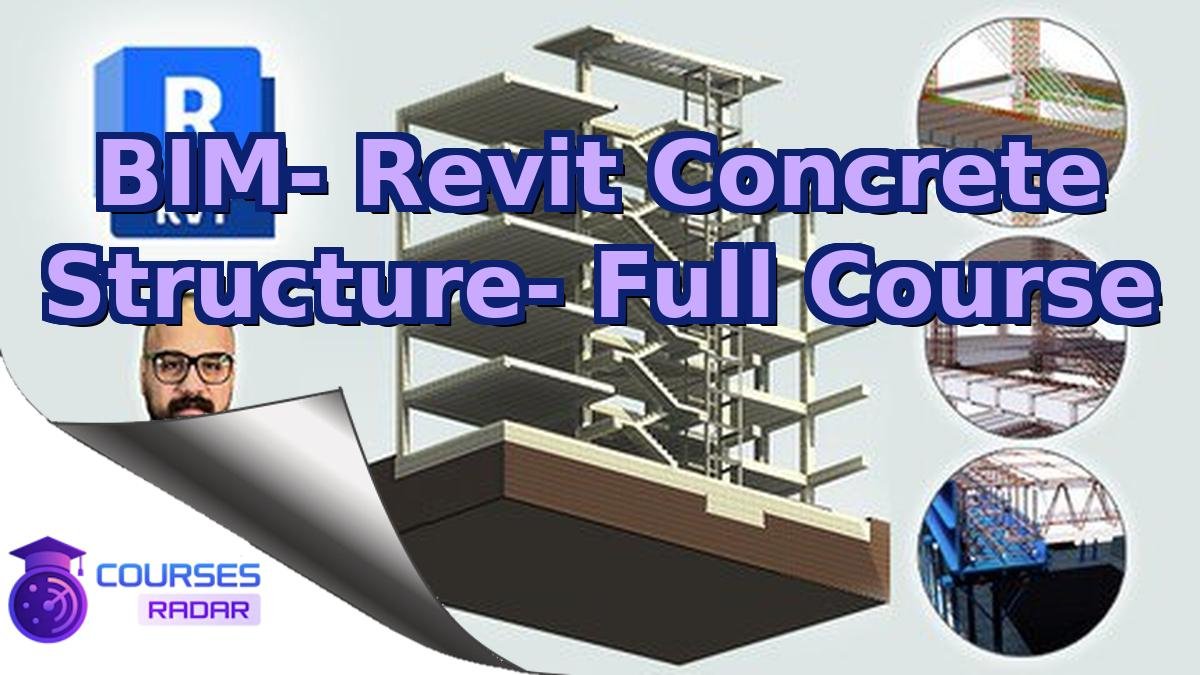
this course has been created for people who want to understand BIM in an organised and predictable way. The course begins with the essential terminology of Design Tools and gradually moves toward more detailed skills, explaining each step in plain language. You are encouraged to pause, revisit earlier lessons, and build your knowledge layer by layer.
Because a self-paced online training keeps the individual units compact, you can easily fit your learning around work, study, or other responsibilities.
Overview
the course begins with a calm explanation of the core ideas behind BIM. This section highlights the terms, structures, and patterns that appear repeatedly in Design Tools. By discussing each element in a simple and accessible way, the course avoids overwhelming you with detail in the early stages.
These first steps create a solid starting point, helping you to recognise the familiar elements as you progress through more advanced lessons. It is a gentle introduction designed to give you orientation and confidence.
Who Is This Course For?
this training is a practical option for anyone who wants to understand the essentials of BIM without feeling pressured to learn everything at once. The course is guided but not rushed, making it appropriate for methodical learners who prefer depth and clarity over speed.
It is especially helpful for people who may have tried to learn the topic previously but found the material confusing or fragmented. Here, the content is arranged so that each new idea connects directly to something you have already seen.
What You Will Learn
This course breaks down the essential elements of BIM into clear, manageable steps. Each concept is introduced with examples that mirror real tasks from Design Tools, showing how the ideas work outside of theory. You will learn to recognize patterns, understand their purpose, and apply them with increasing confidence.
By the end of the training, you will understand how to work with the core techniques of the program. You will be able to navigate challenges more easily and see how different skills combine to support complete solutions.
Requirements
The course does not require prior expertise, and most participants can start learning with only basic computer skills. The explanations are structured to guide you through the fundamentals of BIM without assuming advanced knowledge. A willingness to explore and learn at your own pace is the most important requirement.
You will need a standard laptop or desktop computer and reliable internet access to view the lessons and follow the examples. No additional software is necessary at the beginning; any tools used in the course will be introduced when needed.
Learning Format and Course Structure
The course presents each concept in a well-organized, sequential format. Lessons begin with a simple explanation before moving into examples rooted in realistic scenarios from Design Tools. This format helps you understand each idea clearly before you explore the next one.
Because the content is divided into short sections, you can study at your own pace. You are free to repeat lessons, revisit earlier ideas, or move ahead whenever you feel ready.
Benefits of Taking This Course
The training is designed to make BIM feel structured and manageable. Every lesson moves you a little further, using practical examples from Design Tools to anchor the ideas in real situations. This steady approach helps you build lasting knowledge without unnecessary pressure.
With the experience gained in this course, you will be able to approach related tasks with more calm and clarity. You keep the flexibility to apply the concepts in ways that match your own goals and working style.
Frequently Asked Questions
1. Is this course relevant if I already know the basics?
Even if you are familiar with parts of BIM, the structured approach can help you organise and deepen your knowledge in Design Tools. You may also discover aspects you have not used before.
2. How long does it take to complete the course?
The exact time depends on your pace and how much you practice. You are free to spread the lessons over several days or weeks, or move through them more quickly.
3. Does the course focus on theory or practice?
The course combines both. Concepts are explained clearly and then supported by practical examples, so you can see how they work in real situations.
Summary
The training offers a guided path through the main components of BIM. Each lesson supports the next, so that your understanding grows in a steady and predictable way. References to real cases within Design Tools show how the theory connects with everyday situations.
By the end of the course, you will have transformed a broad and sometimes confusing topic into something more familiar and workable. You can build on this foundation as your interests and needs develop.
If you would like to move from a general interest in BIM to a more solid understanding, you can explore this training further on our website. The course description outlines what you will cover and how the lessons are organised.