
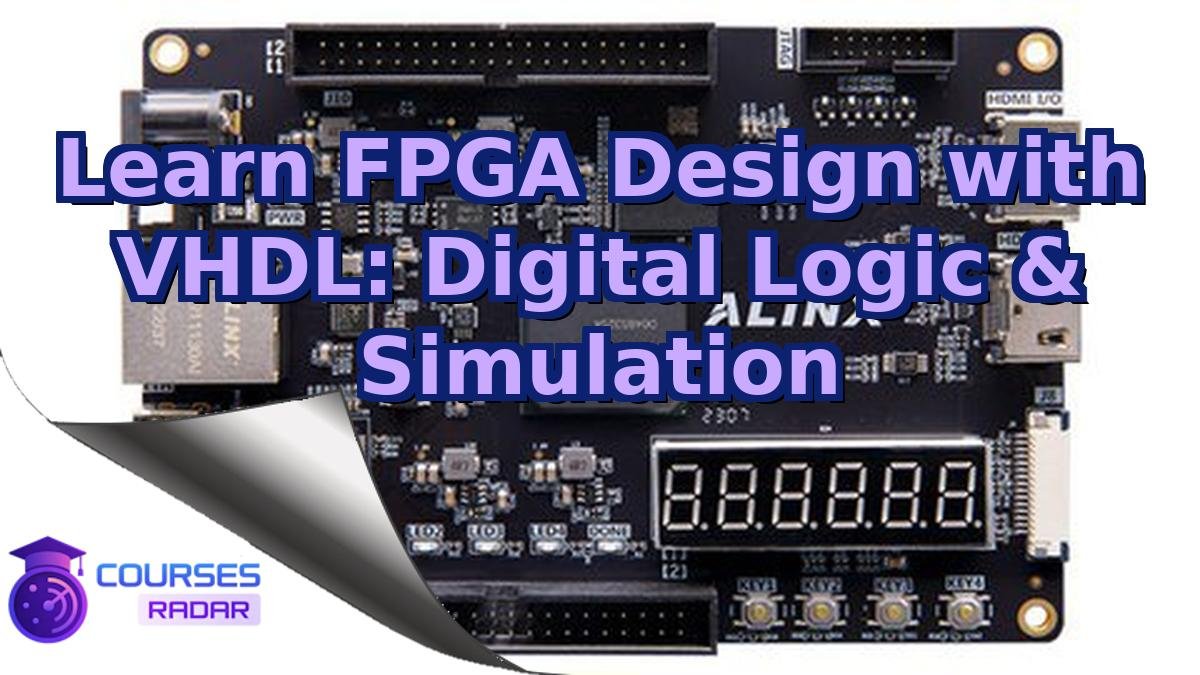
this course introduces the foundations of Learn FPGA Design with VHDL through a sequence of short, focused lessons. The content is arranged so that you always know why a topic matters and how it fits into the wider field of . Rather than relying on theory alone, the course uses simple examples to show how each idea can be applied in practice.
a self-paced online training is suitable for learners who appreciate a clear route from basic concepts to slightly more advanced applications without feeling rushed.
Overview
the course opens with a well-structured guide through the most important introductory ideas of Learn FPGA Design with VHDL. Understanding these elements makes it easier to recognise how different techniques in relate to each other and why they are used.
Through clear language and simple examples, this section provides orientation and helps you become familiar with the patterns you will encounter in later lessons.
Who Is This Course For?
This course is designed for learners who want to understand Learn FPGA Design with VHDL in a reliable and organised way. If you feel overwhelmed by long, unstructured videos or fast-paced explanations, this training offers an alternative with a steady rhythm and clear progression from lesson to lesson.
It is well suited to self-learners, students, and professionals who prefer to work through material at their own pace while still following a defined path. You do not need to be an expert to begin; you simply need curiosity and the willingness to practise regularly.
What You Will Learn
This course breaks down the essential elements of Learn FPGA Design with VHDL into clear, manageable steps. Each concept is introduced with examples that mirror real tasks from , showing how the ideas work outside of theory. You will learn to recognize patterns, understand their purpose, and apply them with increasing confidence.
By the end of the training, you will understand how to work with the core techniques of the program. You will be able to navigate challenges more easily and see how different skills combine to support complete solutions.
Requirements
This course is designed to be accessible to learners with a general interest in Learn FPGA Design with VHDL. You do not need advanced knowledge to begin, but a basic familiarity with everyday computer use will help you navigate the lessons smoothly. The material is presented in small, manageable steps, making it easy to follow even if the topic is new to you.
A stable internet connection and a device capable of running standard online tools are sufficient to complete the training. Everything else you need will be introduced gradually throughout the course, ensuring a comfortable learning experience from start to finish.
Learning Format and Course Structure
The course follows a clear and organized learning path designed to make every lesson easy to follow. Each topic connected to Learn FPGA Design with VHDL is introduced through step-by-step explanations, allowing you to understand how the ideas apply in real situations. The structure helps you build knowledge gradually, without feeling rushed or overwhelmed.
Content is delivered through short sections that you can revisit at any time. This flexible approach makes it simple to work through this course at your own pace, whether you prefer to learn in small sessions or longer study periods.
Benefits of Taking This Course
The training is designed to make Learn FPGA Design with VHDL feel structured and manageable. Every lesson moves you a little further, using practical examples from to anchor the ideas in real situations. This steady approach helps you build lasting knowledge without unnecessary pressure.
With the experience gained in the course, you will be able to approach related tasks with more calm and clarity. You keep the flexibility to apply the concepts in ways that match your own goals and working style.
Frequently Asked Questions
1. Can I follow the course if English is not my first language?
The explanations are written in clear, straightforward English. Many learners with different language backgrounds find the style easy to follow.
2. How often should I study to see progress?
Regular, shorter sessions often work best, but you can adapt the schedule to your own routine. The key is to move through this training steadily rather than rushing.
3. Does the course include real-world examples?
Yes, examples are selected to reflect tasks and situations you may encounter in real work with Learn FPGA Design with VHDL and .
Summary
This training is intended to make Learn FPGA Design with VHDL accessible to learners with different backgrounds. By keeping the structure simple and the examples grounded in , it helps you form a clear and lasting picture of how the subject works. The emphasis is on understanding, not on memorising details.
After completing the program, you will be in a better position to evaluate new information, recognise familiar patterns, and apply the concepts in your own projects or studies.
For a closer look at how this course approaches Learn FPGA Design with VHDL, visit our website. You will find a detailed description of the lessons, information on the learning format, and access options if you decide the course is a good fit for you.