
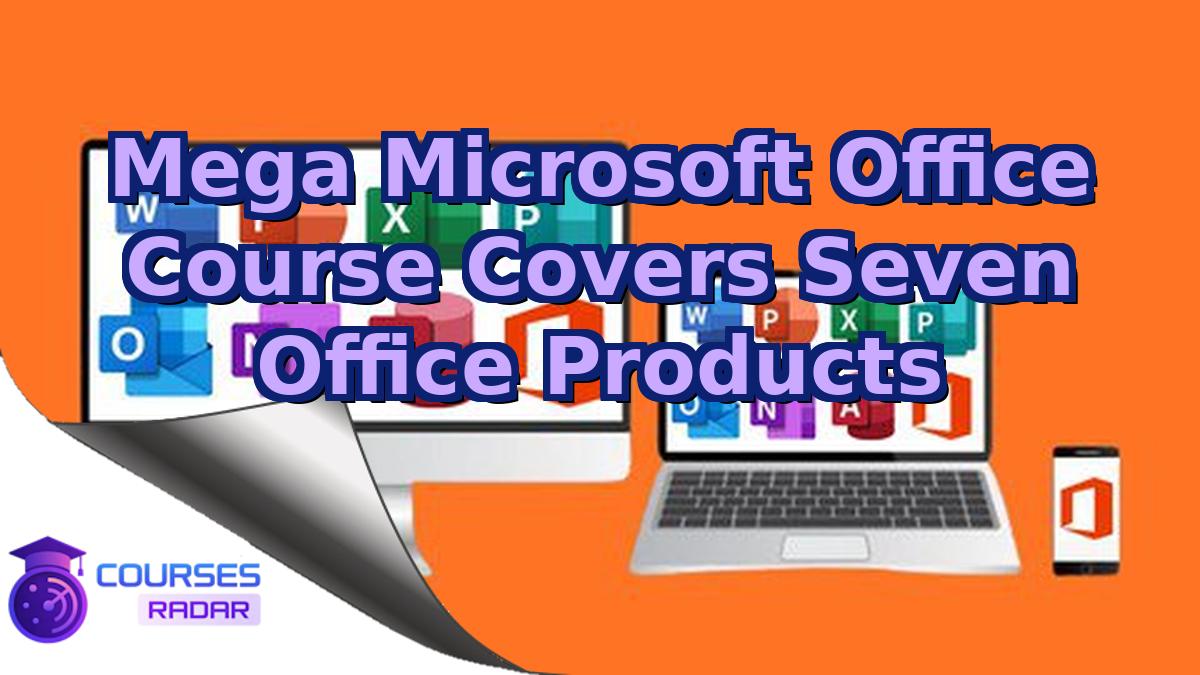
this course presents the course in a way that is easy to follow, even if you are returning to learning after a break. The course begins with simple explanations and gradually adds new details from the wider world of . Examples and small practice tasks show how each concept can be used, which helps you connect the theory with everyday situations.
Because a step-by-step online course is divided into short, repeatable segments, you can study in small sessions and still build a reliable understanding over time.
Overview
The first part of this training focuses on establishing a clear understanding of the essentials behind the program. Before moving to more detailed skills, it is helpful to become familiar with the core principles used throughout . This ensures that you understand not only what each idea means, but also why it is relevant in practical situations.
The section introduces the key terminology, explains the logic behind the main concepts, and shows how they connect to each other. By approaching the topic step by step, you build a stable foundation that supports all later lessons in the course.
Who Is This Course For?
This course is a good fit for anyone who wants to build a dependable understanding of this course that goes beyond a brief introduction. The course is structured so that each lesson can stand on its own but also contributes to a coherent overall picture.
It is designed for curious learners, from beginners to more experienced users who wish to tidy up and deepen what they already know. The focus is on clarity and stability, not on fashionable buzzwords or shortcuts.
What You Will Learn
This course introduces you to the essential ideas behind this training and shows how they connect to practical work within the broader field of . Each section explains a single concept in clear and simple language, supported by examples that demonstrate how these techniques are used in real situations. You will steadily build an understanding of the core principles without feeling overwhelmed.
As you move through the lessons, you will also see how different skills complement each other. By the end, you will have a structured overview of the program and the confidence to apply the ideas independently in your own projects or everyday tasks.
Requirements
The course does not require prior expertise, and most participants can start learning with only basic computer skills. The explanations are structured to guide you through the fundamentals of this course without assuming advanced knowledge. A willingness to explore and learn at your own pace is the most important requirement.
You will need a standard laptop or desktop computer and reliable internet access to view the lessons and follow the examples. No additional software is necessary at the beginning; any tools used in the course will be introduced when needed.
Learning Format and Course Structure
The course uses a direct and uncomplicated format. Each lesson focuses on a key concept from the course, explained with simple examples from . The progression is deliberate and clear, helping you understand how each idea supports the next.
The structure allows you to learn in whichever way suits you. You can revisit earlier sections of this training, repeat examples, or move ahead once you feel confident.
Benefits of Taking This Course
The training is designed to make the program feel structured and manageable. Every lesson moves you a little further, using practical examples from to anchor the ideas in real situations. This steady approach helps you build lasting knowledge without unnecessary pressure.
With the experience gained in this course, you will be able to approach related tasks with more calm and clarity. You keep the flexibility to apply the concepts in ways that match your own goals and working style.
Frequently Asked Questions
1. Is this course suitable for beginners?
Yes, the material starts with basic explanations of the course and gradually introduces more detail. You can follow the lessons even if you are new to .
2. Can I pause the course and continue later?
You can stop and resume this training whenever it fits your schedule. Progress is not tied to fixed times, so you remain flexible.
3. Are there practical examples included?
Yes, the course uses realistic examples to show how the concepts work in practice. This makes it easier to apply what you learn to your own tasks.
Summary
The course offers a complete, entry-level exploration of the program, aimed at giving you a usable understanding rather than a superficial overview. Each step is designed to be clear and focused, guiding you from basic ideas to more connected views of the subject within .
With the knowledge from this course, you can continue learning in whichever direction suits you best. The concepts and examples stay available as a resource you can revisit at any time.
If you would like to move from a general interest in the course to a more solid understanding, you can explore this training further on our website. The course description outlines what you will cover and how the lessons are organised.